
Unveiling the Stories of Portuguese Heritage Tours

Exploring heritage tours offers a unique way to connect with the past. These journeys reveal the stories behind historic sites, traditional arts, and local customs. When it comes to Portuguese heritage tours, the experience becomes even richer. Portugal’s Center and North regions are treasure troves of culture, history, and gastronomy. I have found that these tours provide a deep understanding of the country’s identity and its people.
Discovering Portuguese Heritage Tours
Portuguese heritage tours focus on immersing travelers in the authentic culture of the region. From medieval castles to ancient monasteries, each site tells a story. These tours often include visits to small villages where traditional crafts are still practiced. You can taste local dishes made from age-old recipes and learn about the customs that have shaped the community.
One of the highlights of these tours is the chance to explore the diverse landscapes of Portugal’s Center and North. Rolling hills, vineyards, and historic towns create a backdrop that enhances the cultural experience. The tours are designed to be both educational and enjoyable, offering a balance of guided visits and free time to explore.

Medieval castles stand as silent witnesses to Portugal’s rich history.
The Importance of Heritage Tours
Heritage tours serve a vital role in preserving and sharing cultural history. They help keep traditions alive by supporting local artisans and communities. When travelers participate in these tours, they contribute to the sustainability of heritage sites and crafts.
Moreover, heritage tours provide context to historical events and figures. Instead of reading about history in books, you experience it firsthand. Walking through ancient streets or visiting museums with knowledgeable guides brings stories to life. This approach deepens appreciation and understanding.
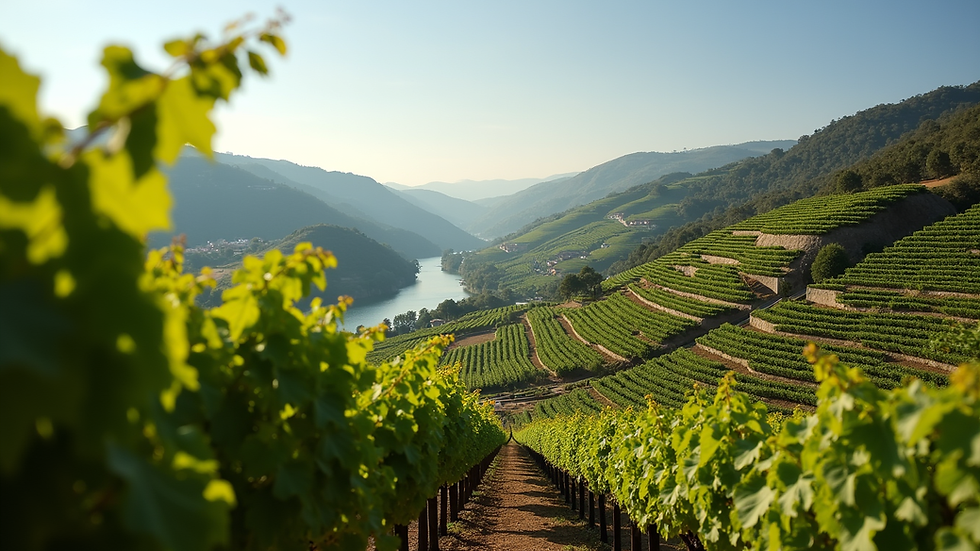
For example, in the Douro Valley, heritage tours often include visits to family-owned wineries. Here, you learn about the centuries-old process of port wine production. This hands-on experience connects you to the region’s economic and cultural roots.
What is a Heritage Trip?
A heritage trip is a journey focused on exploring the cultural and historical aspects of a destination. Unlike typical sightseeing tours, heritage trips emphasize storytelling and learning. They often involve visits to landmarks, museums, and cultural centers that highlight a region’s identity.
Heritage trips can vary in length and style. Some are day tours, while others span several days or weeks. They may include workshops, tastings, and interactions with local experts. The goal is to provide a comprehensive understanding of the place’s heritage.
In Portugal, heritage trips often feature:
Visits to UNESCO World Heritage sites
Exploration of traditional villages
Participation in local festivals and events
Sampling regional cuisine and wines
Learning about crafts such as pottery, weaving, and tile making
These elements combine to create a meaningful travel experience that goes beyond surface-level tourism.

Traditional azulejos decorate many historic buildings, telling stories through their patterns.
How to Choose the Right Heritage Tour
Selecting the right heritage tour depends on your interests and travel style. Here are some tips to help you decide:
Identify your focus - Are you more interested in history, art, gastronomy, or a mix? Choose tours that highlight your preferred themes.
Check the itinerary - Look for tours that cover sites and activities you want to experience.
Consider the group size - Smaller groups often allow for more personalized attention and interaction.
Look for expert guides - Knowledgeable guides enhance the experience by sharing detailed stories and answering questions.
Read reviews - Feedback from past travelers can provide insight into the quality of the tour.
When booking a Portuguese heritage tour, consider agencies that specialize in the Center and North regions. These areas offer a wealth of cultural experiences that are less crowded but equally captivating.
Experiencing Portuguese Culture Through Heritage Tours
One of the most rewarding aspects of heritage tours is the opportunity to engage with local culture. In Portugal, this means tasting authentic dishes like bacalhau (salted cod), sampling artisanal cheeses, and enjoying traditional music.
Many tours include visits to markets where you can see fresh produce and handmade goods. These stops provide a glimpse into daily life and local traditions. You might also attend workshops where you can try your hand at pottery or tile painting.
Heritage tours often coincide with local festivals, offering a chance to witness celebrations that have been passed down for generations. These events showcase folk dances, costumes, and rituals that enrich your understanding of the community.
For those interested in literature, some tours explore the lives and works of famous Portuguese writers. Visiting their hometowns or favorite haunts adds a literary dimension to the journey.
If you want to learn more about these experiences, I encourage you to read our heritage tours blog for detailed stories and tips.
Preserving Heritage Through Responsible Travel
Participating in heritage tours also means supporting responsible tourism. This approach respects the environment, local communities, and cultural sites. When you choose tours that prioritize sustainability, you help protect these treasures for future generations.
Here are some ways to travel responsibly on heritage tours:
Follow guidelines at heritage sites to avoid damage
Support local businesses by buying handmade products
Respect local customs and traditions
Minimize waste and use eco-friendly products
Choose tours that contribute to community development
By being mindful of your impact, you ensure that heritage tours remain a positive force for cultural preservation.
Planning Your Portuguese Heritage Tour
Planning a heritage tour in Portugal requires some preparation to make the most of your trip. Here are practical steps to consider:
Research the regions - Learn about the Center and North of Portugal to identify places you want to visit.
Book in advance - Popular tours and accommodations can fill up quickly, especially during peak seasons.
Pack appropriately - Comfortable shoes, weather-appropriate clothing, and a camera are essentials.
Learn basic phrases - Knowing some Portuguese greetings and expressions enhances interactions.
Set a budget - Heritage tours vary in price, so plan according to your preferences and resources.
Taking these steps will help you enjoy a smooth and enriching heritage tour experience.

Vineyards in the Douro Valley offer scenic views and a taste of Portugal’s wine heritage.
Embracing the Stories of the Past
Heritage tours invite us to step back in time and connect with the stories that shaped a place. In Portugal, these stories are woven into the fabric of everyday life. From ancient castles to vibrant festivals, each experience adds a layer of understanding.
By choosing heritage tours, you engage with history in a meaningful way. You support the preservation of culture and contribute to the vitality of local communities. Whether you are walking through cobblestone streets or savoring traditional cuisine, you become part of a living heritage.
I encourage you to explore Portuguese heritage tours and discover the rich narratives waiting to be unveiled. These journeys offer more than sightseeing - they offer connection, learning, and lasting memories.


Comments