
Unlock History Through Our Heritage Tours Narratives

Exploring history through heritage tours offers a unique way to connect with the past. It allows us to experience the stories, traditions, and culture that have shaped regions and communities. Through carefully crafted narratives, heritage tours bring history to life, making it accessible and engaging. In this post, I will share insights into heritage tours narratives, explain what a heritage trip entails, and highlight how these experiences enrich our understanding of history.
The Power of Heritage Tours Narratives
Heritage tours narratives are more than just facts and dates. They are stories that weave together the cultural, social, and historical threads of a place. These narratives help travelers see beyond monuments and artifacts to understand the lives and events that created them.
For example, in Portugal’s Center and North regions, heritage tours often include visits to ancient castles, traditional villages, and historic churches. The narratives shared during these tours reveal the significance of these sites in local history, from medieval times to modern days. This storytelling approach makes the experience memorable and meaningful.
When I participate in heritage tours, I appreciate how guides use narratives to connect different historical periods and cultural influences. This method helps me grasp the continuity and change within a region’s history. It also highlights the importance of preserving cultural heritage for future generations.
Key elements of effective heritage tours narratives include:
Clear chronological storytelling
Inclusion of local legends and traditions
Contextualizing historical events within broader cultural trends
Engaging descriptions of art, architecture, and gastronomy
These elements ensure that the history presented is not only informative but also captivating.

Medieval castles tell stories of Portugal’s rich past.
Heritage Tours Narratives in Practice
When planning or joining a heritage tour, it is helpful to understand how narratives are structured and delivered. Guides often start with an overview of the region’s history, followed by detailed stories about specific sites. This approach helps travelers build a mental map of the historical timeline.
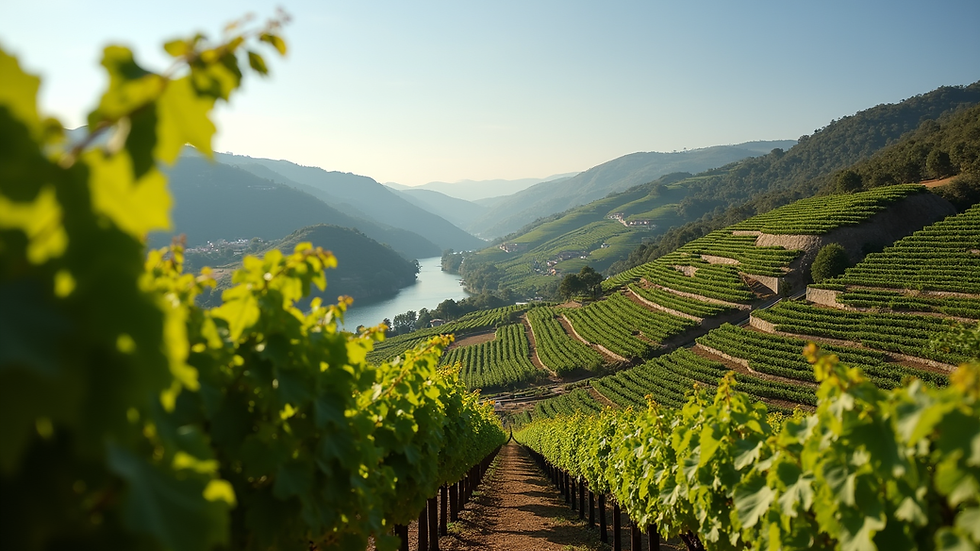
For instance, a heritage tour in the Douro Valley might begin with the region’s role in wine production and trade. The narrative would then explore the architectural styles of wine estates, the evolution of winemaking techniques, and the cultural traditions surrounding wine festivals.
In addition to historical facts, guides often share personal anecdotes or local myths. These stories add depth and personality to the tour. They also encourage travelers to ask questions and engage more deeply with the material.
To get the most out of a heritage tour, consider these tips:
Research beforehand: Familiarize yourself with the region’s history to better appreciate the narratives.
Ask questions: Engage with guides to clarify details or explore topics of interest.
Take notes or photos: Capture key points and images to revisit later.
Participate in local activities: Join workshops or tastings to experience cultural traditions firsthand.
By following these steps, you can transform a simple tour into a rich educational experience.

Traditional pottery reflects the artistic heritage of Portugal’s regions.
What is a Heritage Trip?
A heritage trip is a travel experience focused on exploring the cultural and historical aspects of a destination. Unlike typical sightseeing, heritage trips emphasize immersive learning and connection with local traditions.
During a heritage trip, travelers visit historical landmarks, museums, and cultural centers. They often participate in activities such as traditional cooking classes, craft workshops, or folk music performances. These experiences provide a deeper understanding of the community’s identity and values.
Heritage trips are designed to be educational and respectful of local cultures. They promote sustainable tourism by supporting local artisans, preserving historic sites, and encouraging responsible travel behavior.
For example, a heritage trip in Portugal’s Center region might include:
Touring ancient monasteries and learning about their religious significance
Sampling regional cuisine made from traditional recipes
Meeting local artists who keep centuries-old crafts alive
Exploring rural landscapes that have shaped local livelihoods
This type of travel appeals to those who want to go beyond surface-level tourism and engage meaningfully with history and culture.
How Heritage Tours Enhance Cultural Understanding
Heritage tours offer a unique opportunity to deepen cultural understanding. By experiencing history through narratives and direct interaction, travelers gain insights that books or documentaries alone cannot provide.
One important aspect is the connection between history and daily life. Heritage tours often highlight how historical events influence current customs, language, and social practices. This perspective helps travelers appreciate the continuity of culture.
Moreover, heritage tours foster empathy and respect for different ways of life. Learning about the struggles and achievements of past generations encourages a broader worldview. It also inspires travelers to support cultural preservation efforts.
For those interested in literature, heritage tours can illuminate the settings and contexts of famous works. Visiting the places that inspired writers or historical figures adds a new dimension to reading and interpretation.
To maximize cultural understanding during heritage tours, consider:
Listening actively to guides and locals
Reflecting on how history shapes present-day culture
Respecting local customs and traditions
Sharing your experiences with others to promote awareness
These practices enrich the travel experience and contribute to meaningful cultural exchange.
Planning Your Heritage Tour in Portugal
Portugal’s Center and North regions are rich in heritage sites and cultural experiences. Planning a heritage tour here involves selecting destinations that offer authentic narratives and immersive activities.
Start by identifying your interests, such as medieval history, religious heritage, or traditional arts. Then, choose tours or itineraries that focus on these themes. Many local agencies provide specialized heritage tours with expert guides.
When organizing your trip, consider the following:
Timing: Some festivals and events occur seasonally and can enhance your experience.
Accommodation: Staying in historic inns or rural guesthouses adds to the cultural immersion.
Transportation: Renting a car or using local transport allows flexibility to explore smaller villages.
Local cuisine: Sampling regional dishes is an essential part of heritage travel.
I recommend checking detailed itineraries and reviews to find tours that match your preferences. You can also read our heritage tours blog for inspiration and practical advice on exploring Portugal’s cultural treasures.
By planning carefully, you ensure a rewarding and educational heritage trip that connects you deeply with Portugal’s history.
Embracing Heritage Through Travel
Heritage tours narratives open doors to the past and invite us to experience history firsthand. They transform travel into a journey of discovery, learning, and connection. Whether exploring ancient castles, tasting traditional foods, or listening to local stories, heritage tours enrich our understanding of culture and identity.
As you consider your next travel adventure, think about the value of heritage tours. They offer more than sightseeing - they provide a chance to unlock history and appreciate the legacy of those who came before us.
By embracing heritage through travel, we contribute to preserving cultural treasures and supporting communities. This approach to tourism benefits both travelers and hosts, creating meaningful experiences that last a lifetime.
I encourage you to explore heritage tours narratives and discover the stories waiting to be told in every corner of the world.

Comments