
Experience Portuguese Heritage Through Duska's Travels: Portuguese Travel Stories

Portugal is a country rich in history, culture, and tradition. Its heritage is visible in its architecture, cuisine, music, and everyday life. Exploring Portugal offers a unique opportunity to connect with centuries of stories and customs that have shaped the nation. Through my journeys, I have discovered how deeply the past influences the present in this beautiful country. In this post, I will share insights and experiences that highlight the essence of Portuguese heritage, especially in the Center and North regions, where tradition remains vibrant.
Discovering Portuguese Travel Stories in the Heart of the Country
The Center of Portugal is a treasure trove of historical sites and cultural experiences. Towns like Coimbra and Tomar are steeped in medieval history. Coimbra, once the capital of Portugal, is home to one of the oldest universities in Europe. Walking through its narrow streets, you can feel the academic spirit and the echoes of scholars from centuries ago.
Tomar, known for the Convent of Christ, offers a glimpse into the era of the Knights Templar. The architecture here is a blend of Gothic, Manueline, and Renaissance styles, reflecting the layers of history that have shaped the region. Visiting these sites provides a tangible connection to Portugal’s past and its role in European history.
In addition to historical landmarks, the Center region is known for its traditional crafts. Local artisans continue to produce ceramics, embroidery, and textiles using techniques passed down through generations. These crafts are not only souvenirs but also living expressions of Portuguese culture.

Exploring Northern Portugal’s Rich Cultural Landscape
Northern Portugal offers a different but equally compelling heritage experience. Cities like Porto and Braga are vibrant centers of culture and history. Porto’s Ribeira district, with its colorful houses along the Douro River, tells stories of trade, exploration, and resilience. The city’s famous port wine cellars are a testament to centuries of winemaking tradition.
Braga, often called the "Portuguese Rome," is known for its religious heritage. The city is dotted with baroque churches and sanctuaries, including the Bom Jesus do Monte, a pilgrimage site with a monumental staircase. Visiting Braga allows one to understand the deep religious roots that have influenced Portuguese identity.
Northern Portugal is also renowned for its gastronomy. Dishes like francesinha and bacalhau are staples that reflect the region’s culinary history. Sampling these foods in local taverns offers a direct taste of tradition.

Immersive Experiences That Bring History to Life
To truly appreciate Portuguese heritage, it is essential to engage with the culture beyond sightseeing. Participating in local festivals, tasting traditional foods, and learning about artisanal crafts provide deeper insights. For example, the Festa de São João in Porto is a lively celebration that combines music, dance, and folklore, offering a window into local customs.
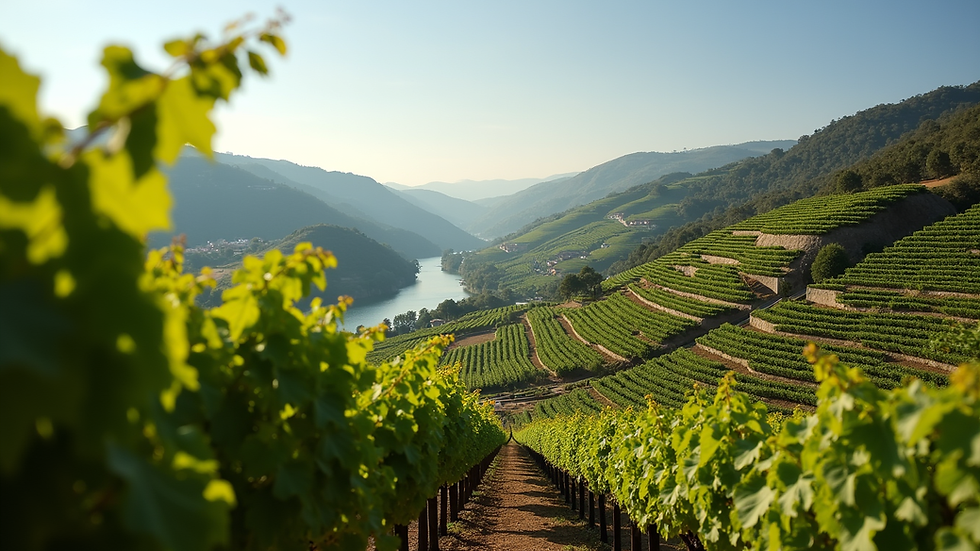
Visiting family-run wineries in the Douro Valley allows travelers to see traditional wine production methods firsthand. These experiences connect visitors with the land and the people who have nurtured it for centuries.
Another way to immerse oneself is through guided tours that focus on heritage. Agencies like duska's travels specialize in premium heritage tours in Portugal’s Center and North. Their itineraries are designed to showcase authentic cultural experiences, from historical landmarks to culinary delights.
Practical Tips for Exploring Portuguese Heritage
When planning a trip focused on heritage, consider the following tips to enhance your experience:
Choose the right season - Spring and early autumn offer pleasant weather and fewer crowds.
Stay in historic accommodations - Many old manor houses and boutique hotels provide an authentic atmosphere.
Learn basic Portuguese phrases - Simple greetings and expressions can open doors to local interactions.
Visit local markets - These are hubs of traditional food and crafts.
Book guided tours - Expert guides provide context and stories that enrich your visit.
Respect local customs - Observing traditions and etiquette shows appreciation for the culture.
By following these recommendations, travelers can enjoy a more meaningful and respectful exploration of Portuguese heritage.
Continuing the Journey Through Portugal’s Living Traditions
Portugal’s heritage is not confined to museums or monuments. It lives in the daily rhythms of its people, in the festivals, the food, and the arts. Exploring the Center and North regions reveals a country proud of its past and eager to share it with visitors.
Whether wandering through ancient streets, tasting regional specialties, or watching artisans at work, each moment offers a connection to history. This ongoing journey through Portugal’s living traditions is what makes travel here so rewarding.
For those interested in a curated experience that highlights these cultural treasures, duska's travels offers tailored tours that bring the heritage of Portugal to life. Their focus on immersive, premium experiences ensures that every traveler leaves with a deeper understanding and appreciation of this remarkable country.
This exploration of Portuguese heritage through travel stories invites you to discover the richness of a culture that continues to thrive. By engaging with history, tradition, and local life, you can experience Portugal in a way that is both authentic and memorable.


Comments