
Douro Literature Tours: Douro's Literary Inspiration Unveiled

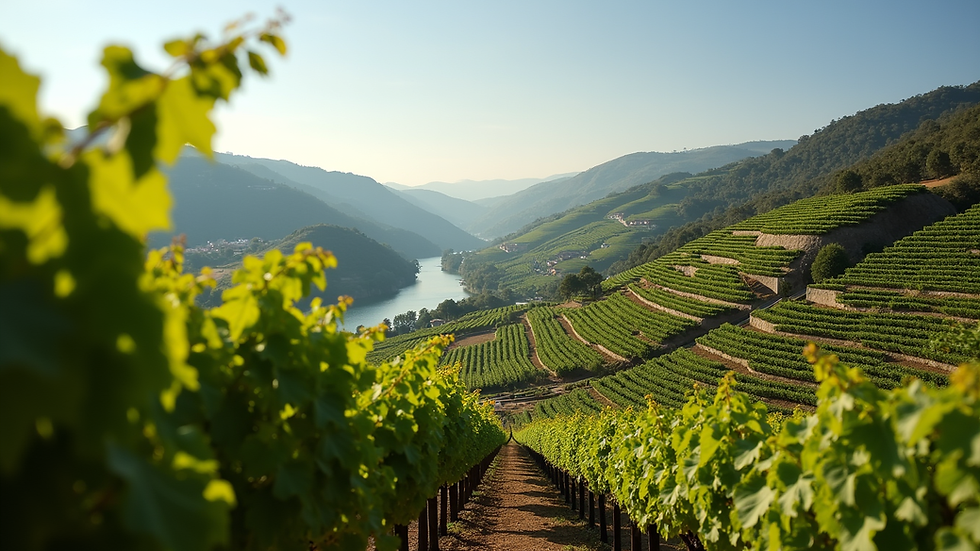
The Douro Valley is widely celebrated for its breathtaking landscapes and world-renowned wines. Yet, beyond its natural beauty and viticulture, the region holds a deep literary heritage that has inspired many writers and poets over the centuries. Exploring this connection between the Douro and literature offers a unique way to experience the valley, blending cultural history with the stunning environment. In this post, I will share insights into the literary significance of the Douro, highlight key authors and works, and provide practical tips for those interested in a literary journey through this remarkable region.
Discovering Douro Literature Tours
Douro literature tours provide an immersive experience that connects travelers with the stories and authors who have drawn inspiration from this landscape. These tours often include visits to historic towns, libraries, and landmarks mentioned in literary works. They also offer opportunities to engage with local culture, including traditional music and gastronomy, which frequently appear in regional literature.
One of the most compelling aspects of these tours is the chance to see the places that shaped the narratives and characters in Portuguese literature. For example, the town of Peso da Régua, perched on the banks of the Douro River, features prominently in several novels and poems. Walking through its streets, visitors can imagine the scenes described by writers who captured the spirit of the valley.
If you want to explore this literary heritage in depth, consider joining a douro in literature tour. These guided experiences are designed to reveal the layers of history and storytelling embedded in the region, making the connection between place and prose come alive.

Key Literary Figures Inspired by the Douro
Several notable Portuguese authors have found inspiration in the Douro Valley. Their works often reflect the region’s rugged beauty, social history, and the lives of its inhabitants. Understanding these writers and their contributions enriches any visit to the area.
Miguel Torga: One of Portugal’s most celebrated poets and writers, Torga’s work frequently references the Douro landscape. His poetry captures the raw emotions and natural elements of the valley, blending personal reflection with vivid descriptions of the environment.
José Saramago: Although not exclusively focused on the Douro, Saramago’s novels often explore themes of place and identity that resonate with the region’s cultural fabric. His narrative style invites readers to consider the deeper meanings behind the land and its people.
Camilo Castelo Branco: A 19th-century novelist whose works include stories set in northern Portugal, including the Douro. His romantic and sometimes tragic tales provide historical context and insight into the social dynamics of the time.
Visiting the Douro with these authors in mind allows travelers to see the valley through a literary lens. Museums, archives, and local libraries often hold collections of manuscripts and first editions, offering a tangible connection to the writers’ legacies.
How many days do you need in the Douro Valley?
Planning the right amount of time for a literary-focused visit to the Douro Valley depends on your interests and pace. For a meaningful experience, I recommend spending at least 3 to 4 days in the region. This timeframe allows you to:
Explore key towns such as Peso da Régua, Pinhão, and Lamego.
Visit literary landmarks and museums.
Participate in a guided douro in literature tour or similar cultural excursions.
Enjoy local cuisine and wine, which are integral to the region’s storytelling tradition.
If you have more time, extending your stay to a week enables deeper exploration of lesser-known villages and the chance to attend literary events or festivals that occasionally take place in the area.

Practical Tips for a Literary Journey in the Douro
To make the most of your literary exploration in the Douro, consider these practical recommendations:
Book a guided tour: Local guides offer valuable insights into the literary history and can take you to hidden gems not easily found on your own.
Visit during the off-season: The Douro can be busy during peak tourist months. Visiting in spring or autumn provides a quieter atmosphere, ideal for reflection and reading.
Bring relevant reading material: Carry a collection of poems or excerpts from authors connected to the Douro. Reading these works on-site enhances the experience.
Combine with wine tasting: Many literary works mention the region’s wine culture. Visiting vineyards and tasting sessions adds a sensory dimension to your understanding.
Stay in heritage accommodations: Choose lodgings that reflect the traditional architecture and ambiance of the Douro. This deepens your connection to the region’s history.
By following these tips, you can create a well-rounded itinerary that balances literary discovery with cultural immersion.
The Enduring Appeal of Douro’s Literary Landscape
The Douro Valley’s literary inspiration continues to attract those who seek more than just scenic views. The stories embedded in its hills and rivers speak to universal themes of nature, identity, and human experience. Exploring this dimension of the Douro enriches any visit and offers a fresh perspective on a region already famed for its beauty and heritage.
Whether you are reading the works of Miguel Torga by the riverbank or walking the streets that inspired Camilo Castelo Branco, the Douro invites you to connect with its past and present through the power of words. This blend of literature and landscape makes the Douro a unique destination for travelers who appreciate culture, history, and storytelling.
For those interested in a curated experience, Duska's Travels offers specialized tours that highlight the literary and cultural treasures of the Douro and northern Portugal. These tours are designed to provide an immersive journey that respects the region’s heritage while offering modern comfort and insight.
Exploring the Douro through its literary connections is a rewarding way to deepen your appreciation of this remarkable part of Portugal. It is a journey that combines the pleasures of travel with the richness of cultural discovery, leaving lasting impressions long after you leave the valley.


Comments