
Heritage Travel Blog Insights: Read Our Heritage Tours Blog
- Eduarda Vieira

- Jun 15
- 3 min read
Exploring heritage sites offers a unique window into the past. It connects us with the stories, traditions, and cultures that have shaped regions and communities. Traveling through Portugal’s Center and North regions, for example, reveals centuries of history, art, and gastronomy that continue to influence modern life. This blog post shares insights into heritage travel, practical tips for immersive experiences, and highlights the value of exploring cultural landmarks with intention.
Understanding Heritage Travel Blog Insights
Heritage travel is more than visiting old buildings or museums. It involves engaging with the living culture, understanding historical contexts, and appreciating the craftsmanship and traditions that have endured. When planning a heritage tour, consider the following:
Research the history of the region or site before visiting. This background enriches your experience.
Seek guided tours led by knowledgeable locals or experts. They provide stories and details that you might miss on your own.
Participate in cultural activities such as traditional cooking classes, craft workshops, or local festivals.
Respect the sites and communities by following guidelines and supporting sustainable tourism.
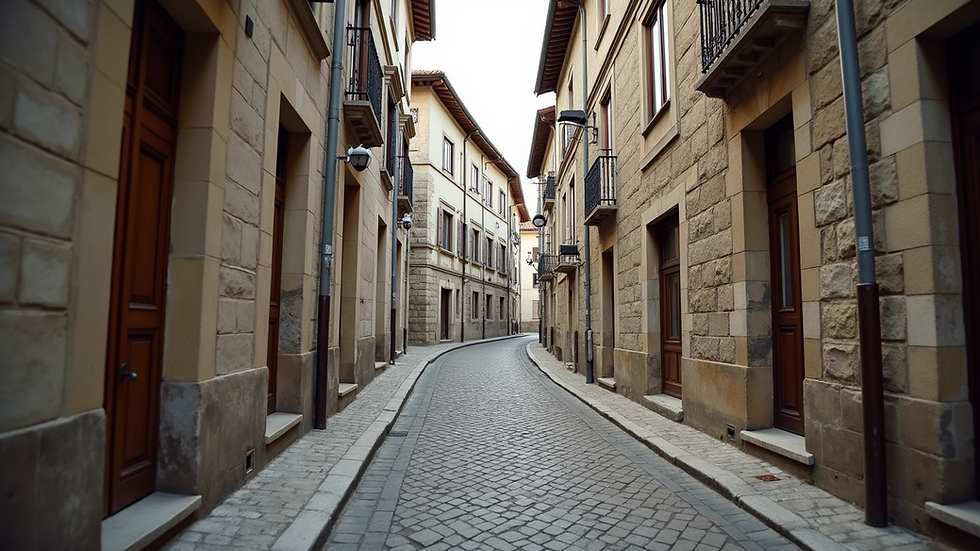
For example, in Portugal’s North, the city of Guimarães is known as the birthplace of the nation. Walking through its medieval streets, you can see well-preserved architecture and visit museums that tell the story of Portugal’s formation. Engaging with local artisans who practice traditional crafts adds depth to the visit.
Practical Tips for Immersive Heritage Tours
To make the most of your heritage travel, preparation and mindset are key. Here are some actionable recommendations:
Plan your itinerary around themes such as architecture, gastronomy, or historical periods. This focus helps you dive deeper.
Use local guides or tour companies specializing in heritage tours. They often have access to exclusive sites or experiences.
Take notes or photos to document your journey and reflect on what you learn.
Try local foods and drinks connected to the region’s history. For instance, sampling traditional Port wine in the Douro Valley enhances your understanding of the area’s culture.
Allow time for spontaneous exploration. Some of the best discoveries happen off the beaten path.
When visiting monasteries or castles, for example, look for details like stone carvings, frescoes, or inscriptions. These elements tell stories about the people who built and used these places. In the Center region of Portugal, the Convent of Christ in Tomar offers a fascinating blend of architectural styles and historical layers to explore.

The Role of Gastronomy in Heritage Travel
Food is a vital part of cultural heritage. Traditional recipes, local ingredients, and culinary techniques reflect a region’s history and environment. When traveling through Portugal’s heritage sites, tasting local dishes connects you to the land and its people.
Try regional specialties such as “bacalhau” (salted cod), “caldo verde” (kale soup), or “pastéis de nata” (custard tarts).
Visit markets and food festivals to see how local products are celebrated.
Join cooking classes to learn how to prepare traditional meals.
Pair meals with local wines or spirits to complete the experience.
Understanding the origins of these dishes and their significance adds meaning to your meals. For example, the Douro region’s wine production dates back centuries and is intertwined with local customs and economy. Sampling wines directly from producers offers insight into this heritage.
Preserving and Respecting Cultural Heritage
Heritage travel carries a responsibility to protect and respect the sites and traditions we visit. Sustainable tourism practices help ensure that future generations can enjoy these cultural treasures.
Follow site rules and guidelines to avoid damage.
Support local businesses and artisans by purchasing authentic products.
Avoid overcrowding popular sites by visiting during off-peak times.
Educate yourself about cultural sensitivities and behave respectfully.
Promote awareness by sharing your experiences thoughtfully.
By doing so, travelers contribute positively to the preservation of heritage. This approach aligns with the mission of agencies like Duska’s Travels, which focus on premium, immersive tours that honor Portugal’s rich cultural history.
Planning Your Next Heritage Journey
If you want to deepen your understanding of heritage travel and discover curated experiences, I encourage you to read our heritage tours blog. It offers detailed guides, expert tips, and stories from travelers who have explored Portugal’s Center and North regions.
When planning your trip, consider:
Booking tours that emphasize cultural immersion.
Allocating enough time to explore both well-known and lesser-known sites.
Engaging with local communities to learn firsthand about their traditions.
Combining heritage visits with culinary experiences for a full sensory journey.
Heritage travel enriches your perspective and creates lasting memories. By approaching it with curiosity and respect, you can uncover the layers of history and culture that make each destination unique.
Exploring heritage sites is a rewarding way to connect with the past and appreciate the present. Whether wandering medieval streets, tasting traditional foods, or learning about ancient crafts, each experience adds to your understanding of the world. I hope these insights inspire you to embark on your own heritage journey and discover the stories waiting to be told.


Comments